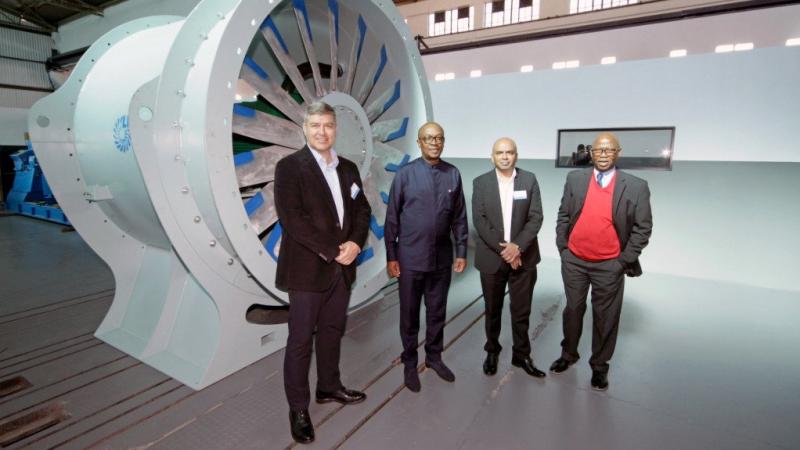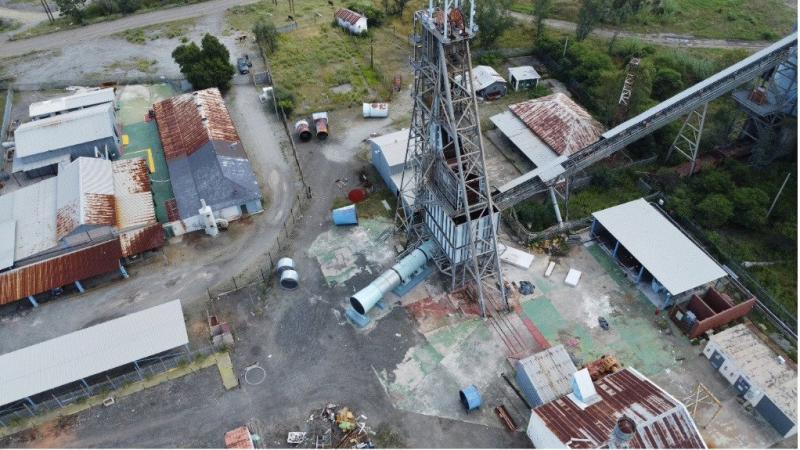
In a remarkable engineering achievement, LH Marthinusen (LHM) successfully transformed an existing mine lift shaft into a fully functional ventilation shaft for a platinum mine, completing the project on schedule. This innovative solution not only met strict ventilation standards but also allowed underground mining operations to continue smoothly as platinum prices soared in 2025.
Ventilation is essential for underground mining. Without sufficient airflow, mines cannot operate safely, and it is a legal obligation enforced by the Department of Mineral and Petroleum Resources (DMPR). In 2025, as platinum prices increased sharply, the client approached LHM with an urgent requirement: enable immediate airflow underground, or risk not being able to expand underground operations to capitalise on the price increases, or even worse, face a full mine shutdown.
Traditionally, creating a new ventilation shaft involves drilling a substantial hole up to two kilometres deep and eight metres in diameter, which is a costly and time-consuming process. LHM, however, identified an unconventional opportunity: repurposing an existing lift shaft, typically used for transporting workers and materials, into an air passage. This was a first for both LHM and the wider mining industry.
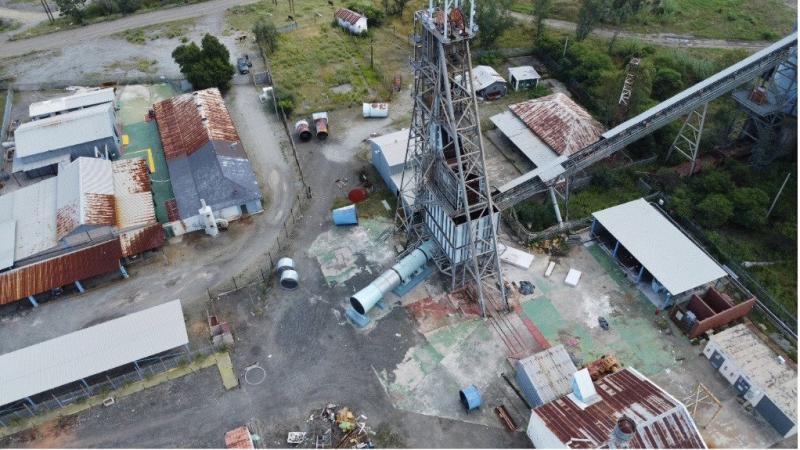
The main challenge was that the lift shaft was crowded with infrastructure, including columns and hoists, making the installation of ventilation fans extremely difficult. LHM's engineering team, led by Jason Westman, an aeronautical engineer at LHM, had to design a solution that would navigate these obstacles without requiring extensive and costly site modifications, while still maintaining a quality product that met modern efficiency expectations.
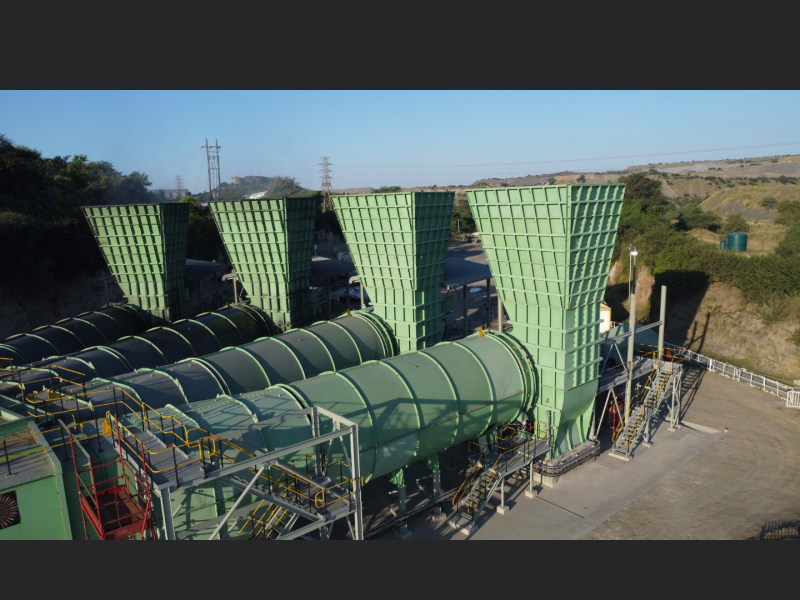
The project required a highly bespoke design. The team engineered sharp bends and customised ducting to navigate the tight spaces, where clearances were sometimes as little as 25 millimetres. Advanced aerodynamic principles were applied to optimise airflow and minimise losses, much like ensuring a garden hose does not kink and stop the flow.
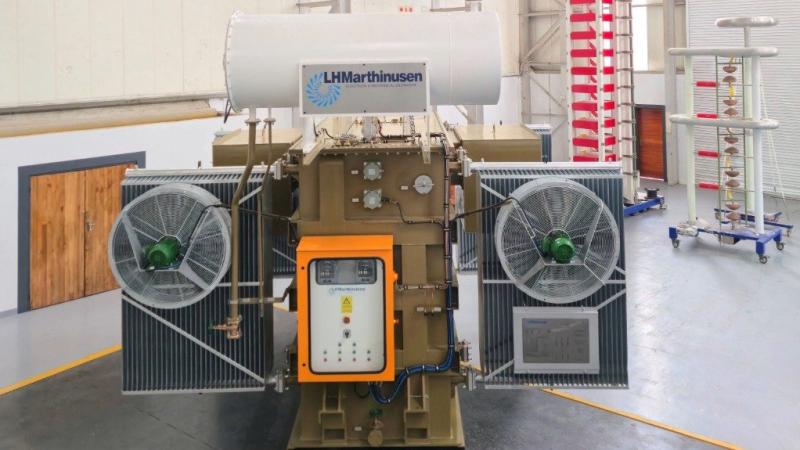
In addition, LHM rewound and refurbished all the motors, ensuring that every component operated at peak efficiency. The existing fans, which had been in storage since 2021, were also refurbished and upgraded for maximum efficiency. This comprehensive approach demonstrated LHM’s ability to deliver a full turnkey solution, managing every aspect of the project from design to execution.
Environmental and regulatory concerns were also key. Whenever possible, components were reclaimed from the client's own scrapyard, cutting costs and reducing the project duration. Noise-reducing silencers were fitted to comply with strict DMPR noise standards. The entire system was fitted with modern monitoring controls for preventative maintenance, ensuring reliability and safety.
Despite delays in placing the order, LHM completed phase one, which was enough to deliver half the required airflow, within six weeks of receiving the purchase order. The design allowed for a second phase to be added later, doubling the capacity without disrupting existing operations. By repurposing existing equipment and infrastructure and incorporating the two-phase approach, the team cut the delivery time to a quarter of what a conventional project would require. This also gave the mine half the airflow they needed without having to wait for the full installation to be complete.
Key lessons from the project included the importance of close coordination with the client and other contractors, particularly to align civil and mechanical interfaces. Salvaging parts not only reduced environmental impact but also saved the client substantial costs.
The project’s success has already opened up new opportunities, with the client now exploring additional lift shaft conversions. LHM’s innovative approach demonstrates that with the right expertise and a willingness to challenge conventional thinking, complex engineering problems can be resolved swiftly, sustainably, and affordably.
Read article here on Engineering News